How Trade Shows Help You Find Export Customers
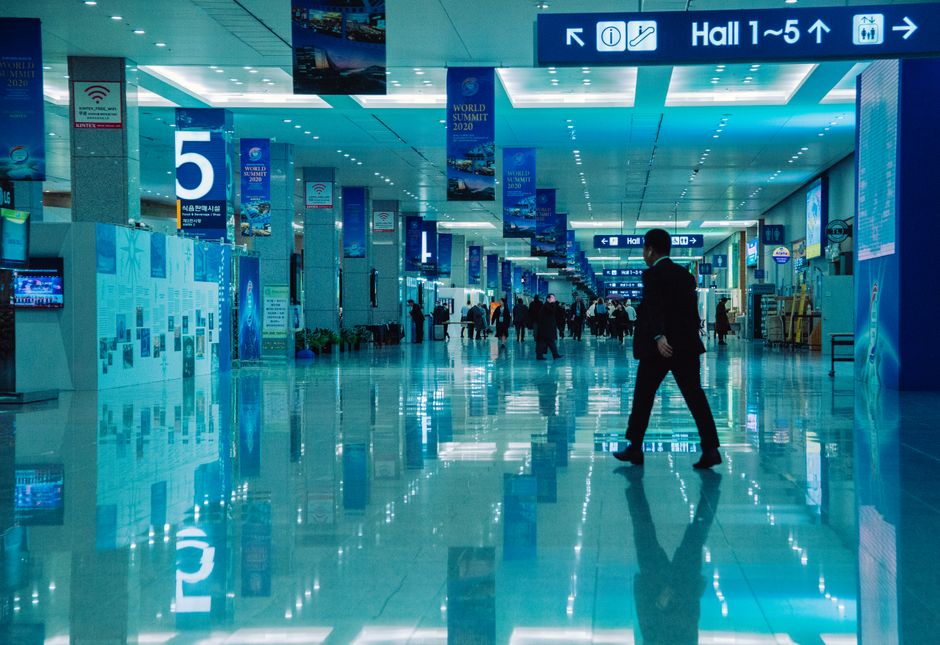
Trade shows put you in front of qualified international buyers, distributors, and retailers who are actively looking for products like yours. You meet decision-makers face to face, see competitor offerings, and close deals that would take months to develop remotely. For companies entering new export markets or expanding existing sales, trade shows deliver concentrated access to the right people in a short timeframe.
When Trade Shows Work Best for Export Sales
Trade shows deliver the strongest results when you already know your target market and have a clear product-market fit. If you are entering a country where you have done market research, identified buyer types, and understand local demand, a trade show accelerates the process of turning research into relationships. You can meet 20 to 50 qualified contacts in three days instead of spending months on cold outreach.
Trade shows also work well when your product benefits from in-person demonstration. Food and beverage brands can offer samples, industrial equipment manufacturers can show working prototypes, and consumer goods companies can let buyers handle the product. Categories where touch, taste, or live demonstration matters see higher conversion rates at trade shows than through digital channels alone.
For businesses already exporting, trade shows help expand into adjacent markets or deepen relationships with existing distributors. You can meet distributors from neighboring countries, connect with retail buyers who source regionally, and gather competitive intelligence by walking the floor.
What You Gain from Attending International Trade Shows
Trade shows compress months of relationship building into a few days. Buyers and distributors attend specifically to find new products, so they expect to have conversations with exhibitors. You skip the gatekeeping that slows down cold emails and phone calls. A 15-minute booth conversation can lead to a follow-up meeting, a sample order, or a distributor agreement.
You also see what competitors are offering, how they present their products, and what pricing and packaging strategies they use. Walking the show floor before it opens to buyers gives you a clear picture of where your product fits and what adjustments you might need to make for that market.
Trade shows let you test messaging and positioning in real time. If buyers consistently ask the same question or raise the same objection, you learn what matters to that market. If a feature you thought was important gets no interest, you can adjust your pitch before investing in expensive marketing materials.
How to Choose the Right Trade Show
Start with shows that specialize in your product category and attract international buyers. A food and beverage brand should prioritize shows like SIAL, Anuga, or Fancy Food Show, not general export expos. A manufacturer of industrial components should attend industry-specific events where procurement managers and distributors go to source products.
Check the attendee list and exhibitor roster before committing. Most trade shows publish the number of international buyers, the countries they represent, and the types of companies that attend. If the show attracts 5,000 visitors but only 200 are buyers from your target countries, it may not be worth the investment.
Consider whether the show is business-to-business or includes retail buyers. Some shows, like Natural Products Expo West, attract both distributors and retail buyers. Others focus exclusively on wholesale or distribution relationships. Match the show format to your sales model.
Preparing for a Trade Show to Maximize Results
Before the show, research which distributors, buyers, and retailers will attend and request meetings in advance. Most trade shows offer exhibitor tools that let you see registered attendees and send meeting invitations. A pre-scheduled calendar of 10 to 15 meetings ensures you talk to the right people even if booth traffic is slow.
Bring samples, sell sheets, and pricing information in the local language and currency. Buyers expect to see product specs, case sizes, minimum order quantities, and lead times on the spot. If you cannot provide that information during the conversation, the buyer will move to the next booth.
Prepare your booth team to qualify leads quickly. Not every conversation will turn into a sale, so train your team to ask about distribution channels, current product lines, and buying timelines within the first few minutes. Focus your time on buyers who have the authority to place orders and the infrastructure to distribute your product.
What to Do After the Trade Show
Follow up within one week. Buyers and distributors meet dozens of exhibitors, so a fast follow-up with the specific details you discussed keeps your product top of mind. Send samples, pricing sheets, and next steps in the same email.
Track which leads came from pre-scheduled meetings versus walk-up booth traffic. Pre-scheduled meetings typically convert at higher rates because both parties entered the conversation with intent. Use that data to decide whether to invest more in advance outreach for the next show.
If you met distributors who expressed interest but are not ready to commit, stay in contact with quarterly updates about new products, certifications, or market traction. Distributors often revisit products they saw at trade shows when their current supplier relationships change or when they expand into new categories.
When Trade Shows Are Not the Right Strategy
Trade shows require significant upfront investment. Booth fees, travel, samples, and marketing materials can cost $10,000 to $50,000 for a single event. If you have not yet validated demand in the target market, that money is better spent on market research, small test shipments, or working with a partner like OutsourcedExport to identify buyers and distributors before committing to a trade show.
Trade shows also do not replace ongoing sales work. A successful show generates leads, but those leads still need follow-up, negotiation, and relationship management. If you do not have the capacity to respond to inquiries and close deals after the event, the leads go cold.
For digital products, software, and services that do not require physical demonstration, trade shows often deliver lower ROI than targeted outreach, partnerships, or digital marketing. Buyers in those categories prefer detailed proposals, case studies, and pilot programs over brief booth conversations.
Combining Trade Shows with Other Export Strategies
Trade shows work best as part of a larger export strategy, not as the only method for finding buyers. Use trade shows to meet distributors you have already researched, deepen relationships with existing partners, and gather market intelligence. Between shows, continue outreach through email, LinkedIn, and industry networks.
Some companies use trade shows to launch new products or enter new markets, then rely on their sales team or an outsourced partner to maintain momentum. Others attend one major show per year and spend the rest of the year nurturing the relationships they built at that event.
If your business does not have the internal resources to manage trade show preparation, lead follow-up, and ongoing distributor relationships, consider working with a team that handles those tasks. OutsourcedExport offers trade show lead development as part of a complete export sales service, so you can focus on the conversations that matter while they manage the logistics and follow-up.
Measuring Trade Show ROI
Track the number of qualified leads, not total booth visitors. A qualified lead is a buyer or distributor who has the authority to purchase, expressed clear interest, and provided contact information for follow-up. Count how many of those leads convert to sample orders, distribution agreements, or retail placements within six months.
Calculate cost per qualified lead by dividing total show expenses by the number of leads that met your qualification criteria. Compare that cost to other lead generation channels like email outreach, LinkedIn campaigns, or working with a sales partner.
Measure long-term value, not just immediate sales. Some trade show relationships take 12 to 18 months to result in significant orders, especially in categories with long sales cycles or regulatory approval processes. Track which distributors you met at trade shows and how much revenue they generate over time.
Frequently asked questions
How much does it cost to exhibit at an international trade show?
Booth fees range from $3,000 to $20,000 depending on the show and booth size. Add travel, samples, marketing materials, and shipping, and total costs typically run $10,000 to $50,000 per event.
How many leads should I expect from a trade show?
A well-prepared exhibitor can generate 20 to 50 qualified leads at a major industry trade show. Qualified means the contact has buying authority, expressed clear interest, and fits your target buyer profile.
Should I attend as an exhibitor or a visitor first?
Attend as a visitor first if you are unfamiliar with the market or the show. You can meet buyers, assess competitors, and decide if the show is worth exhibiting at before committing to booth costs.
How long does it take for trade show leads to convert to sales?
Sample orders or small test purchases can happen within 30 to 90 days. Full distribution agreements or retail placements typically take 6 to 18 months, depending on the product category and market.
Can trade shows replace other export sales strategies?
No. Trade shows generate leads, but those leads need follow-up, negotiation, and relationship management. Use trade shows as part of a complete export strategy that includes ongoing outreach and sales support.